
Cameroon Achieves Global Top-10 Status for Cocoa Product Exports
Cameroon has secured a landmark position in the global agro-industrial arena, officially ranking among the world’s top ten exporters of cocoa-derived products. Recent international trade data confirms Cameroon as the 7th largest global exporter of cocoa liquor and the 9th largest for cocoa butter. This achievement underscores a significant strategic shift from a raw commodity supplier to a competitive, value-added processing hub, marking a new chapter in the nation’s economic development.
This milestone represents a fundamental transformation for Cameroon. The country is now strategically positioned as a key global source of semi-finished cocoa products, essential for chocolate manufacturers, cosmetic brands, and food producers across international markets.
A Strategic Pivot from Raw Beans to Value-Added Exports
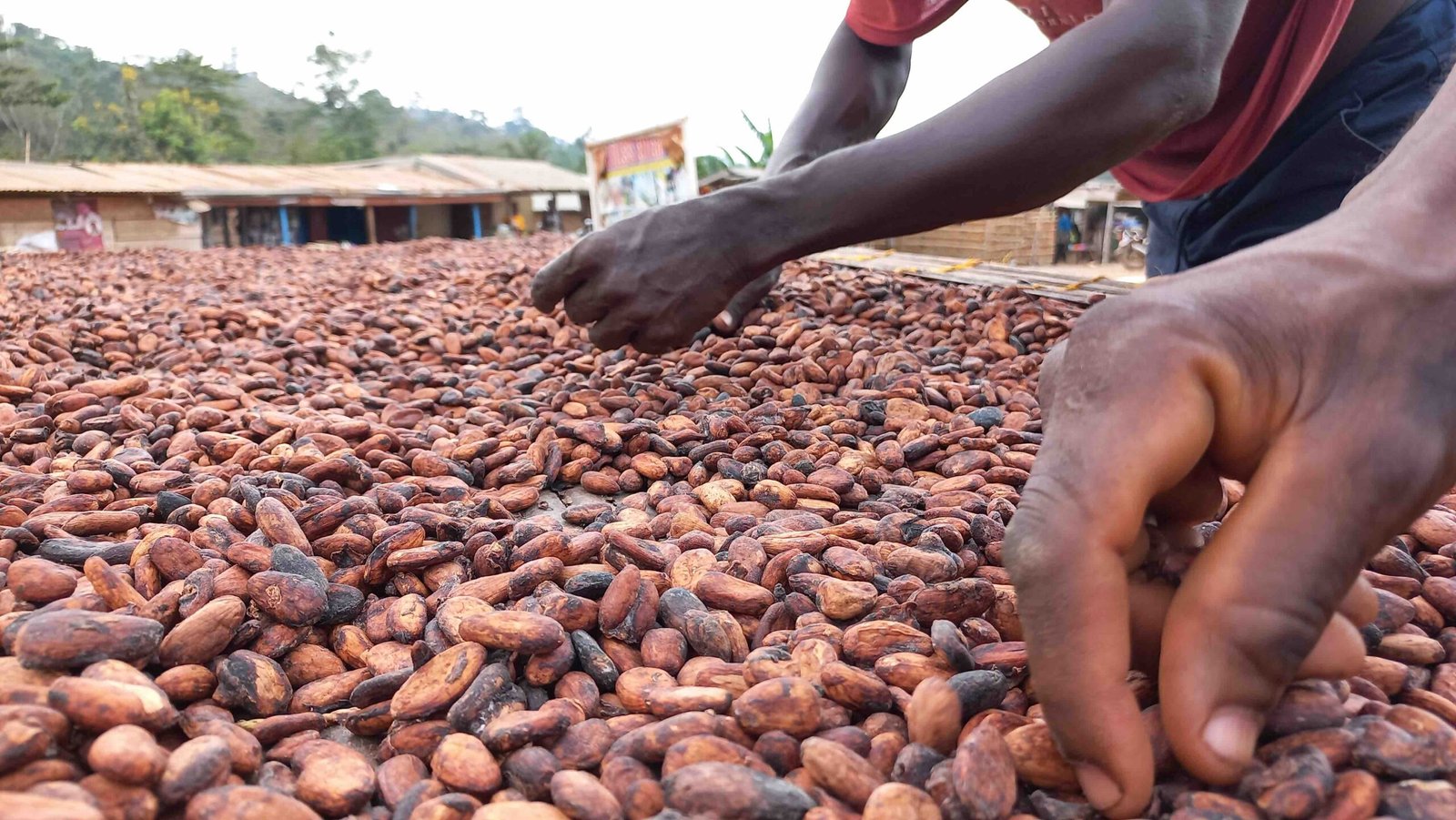
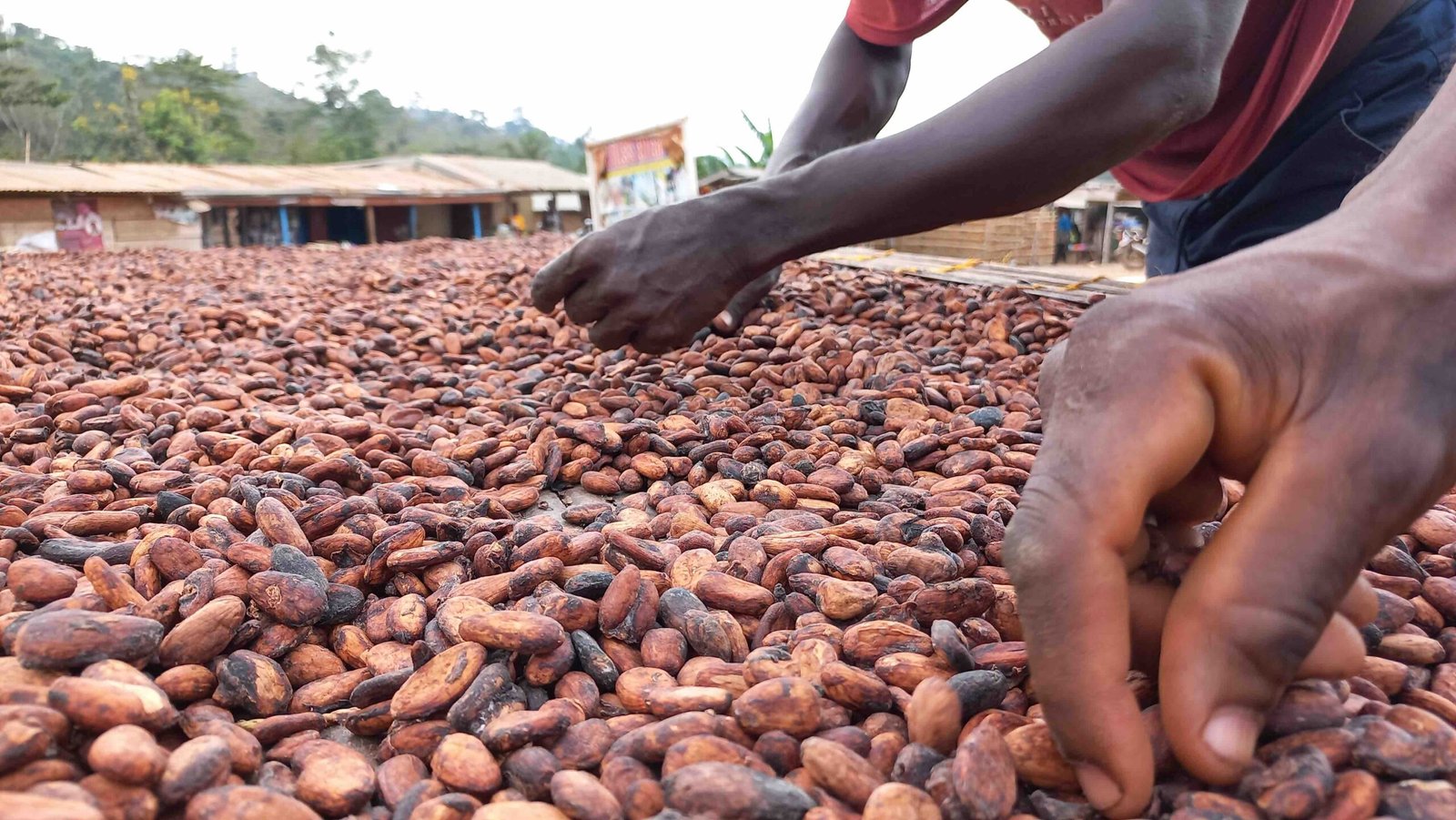
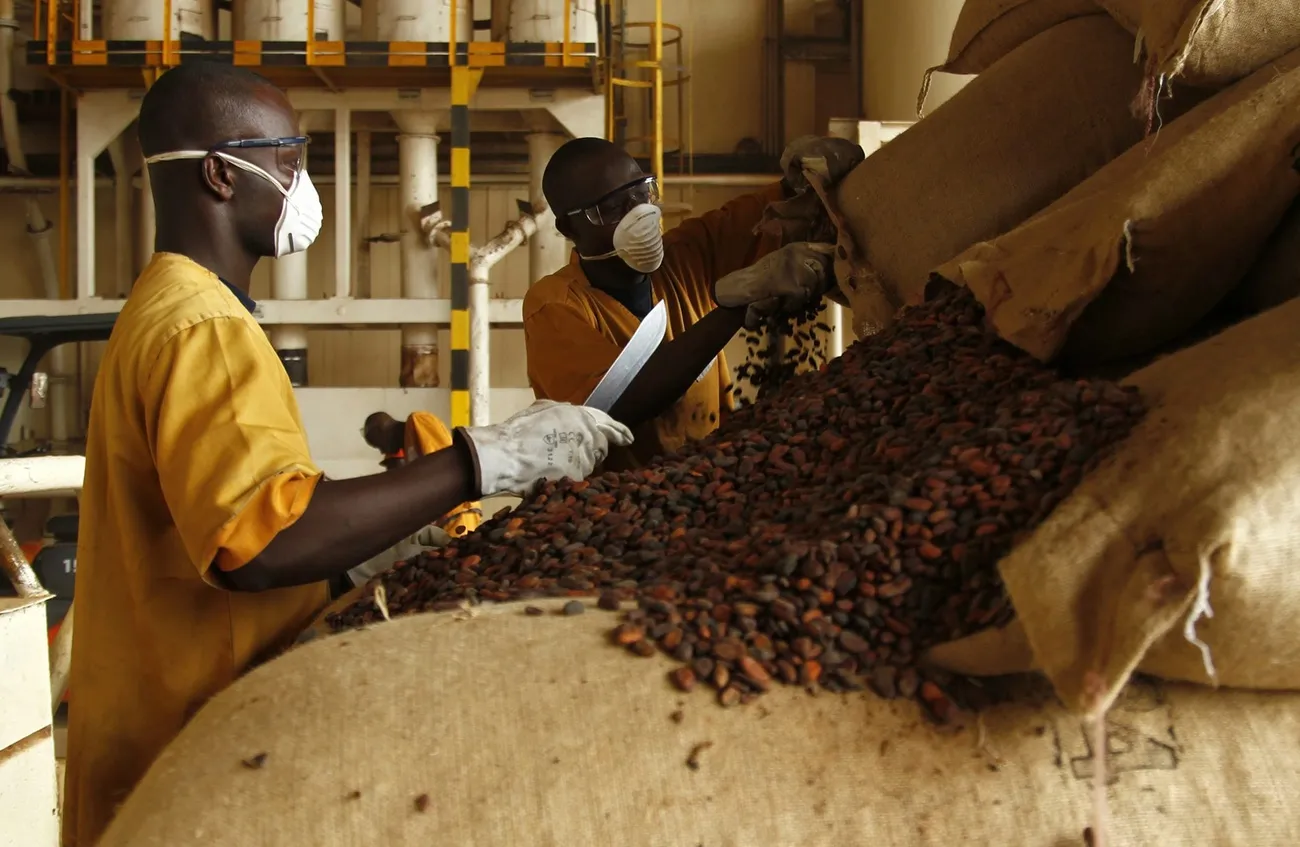
Historically dependent on raw cocoa bean exports, Cameroon’s economy was exposed to volatile international prices, limited local job creation, and minimal value capture within the global supply chain. A deliberate and concerted effort over recent years has driven a dramatic change. Through significant investment from both the government and private sector, Cameroon has expanded its industrial processing capabilities. This allows a growing portion of its annual cocoa harvest to be processed domestically into higher-value products before export.
This strategic focus on local transformation delivers substantial benefits, including increased export revenues, the creation of more industrial jobs, enhanced global competitiveness, and the adoption of advanced technologies within the sector.
Key Performance Metrics Solidifying Cameroon’s Position
Cameroon’s ascent into the global elite is demonstrated by its performance in two critical product categories.
Ranking 7th in global cocoa liquor exports highlights the country’s advanced grinding and liquefaction capabilities. This position reflects investments in modern factory technologies, consistent product quality that meets stringent global standards, and growing confidence from major buyers in Europe and Asia. Cocoa liquor serves as a foundational ingredient for chocolate production worldwide.
Achieving 9th place in global cocoa butter exports signifies Cameroon’s capacity to produce one of the most valuable cocoa derivatives. The growth here is fueled by state-of-the-art butter-pressing facilities, strategic partnerships between local processors and international firms, and robust global demand for high-quality, traceable cocoa butter used in premium chocolates, skincare, and pharmaceutical products.
The country has also strengthened its market reach, with its products increasingly destined for key international hubs. These include the Netherlands, the world’s largest importer of chocolate ingredients; major European manufacturers in Belgium and Germany; the rapidly growing Turkish market; and Asian processing giants like Malaysia and Indonesia.
Drivers Behind Cameroon’s Cocoa Processing Ascent
Multiple factors have converged to propel Cameroon into the top tier of cocoa product exporters.
Robust private-sector investment has been critical. Major processing companies have been attracted by Cameroon’s stable supply of raw beans, competitive operational costs, and government incentives designed to spur agro-industrial growth. This has led to the expansion of facilities capable of processing tens of thousands of additional metric tons each year.
Supportive government policies have been instrumental. A clear focus on industrialization is evident through tax incentives for value-added processing, reforms of quality-control agencies, support for export-oriented manufacturing zones, and a welcoming environment for both local and foreign direct investment.
Enhancements at the farm level have laid a stronger foundation. Through better training on post-harvest techniques like fermentation and drying, the adoption of improved quality-control standards, and the consolidation of smallholder farmers into more powerful cooperatives, the quality of beans reaching processors has significantly improved. This is essential for producing high-value liquor and butter.
Favorable global market dynamics are also playing a role. Worldwide demand for semi-finished cocoa products is surging as chocolate, cosmetic, and pharmaceutical manufacturers seek reliable, ready-made inputs. Global brands are actively diversifying their supply sources, and Cameroon’s improved output and quality align perfectly with this trend.
Economic Impact and National Development Benefits
Cameroon’s new global ranking translates into tangible economic benefits. The nation captures higher export earnings per ton by selling processed goods instead of raw beans, which helps stabilize foreign-exchange reserves. The growth of processing factories creates skilled and semi-skilled employment in plant operations, packaging, logistics, and maintenance.
Furthermore, local cocoa farmers benefit from more stable and predictable demand from domestic processors, reducing their vulnerability to international price swings. The influx of foreign investment also brings valuable knowledge transfer, introducing modern processing expertise and technical training. Ultimately, this evolution strengthens Cameroon’s position in global supply chains, making it a more strategic partner to multinational manufacturers.
Addressing Remaining Challenges for Sustained Growth
Despite this remarkable progress, challenges remain that require ongoing attention. The cocoa sector must contend with plant diseases like black pod, climate-related risks affecting yields, and the need to rejuvenate aging cocoa farms with higher-yielding varieties. Infrastructure constraints in transport, logistics, and port capacity need continued investment to support growing export volumes. Cameroon also operates in a highly competitive landscape, necessitating continuous improvement to distinguish itself from regional giants like Ghana and Côte d’Ivoire.
The Future of Cameroon’s Cocoa Value Chain
Cameroon’s breakthrough into the global top-10 is not an endpoint, but the beginning of a promising new era. With its rising processing capacity, continuous improvements in quality, and expanding international partnerships, Cameroon is solidifying its role as a multi-product cocoa powerhouse.
The current trajectory suggests the potential to climb even higher in the global rankings, double processed export volumes, attract more multinational chocolate companies, and eventually expand into finished chocolate and confectionery products. For global investors, manufacturers, and traders, Cameroon’s cocoa sector stands as one of Central Africa’s most dynamic and compelling growth opportunities.